Ahoy! How to Create a Nautical Decor Theme

August 13, 2014 by Stoney Creek Furniture

Whether it’s your home or cottage, near the water or nestled in the trees, a nautical theme is fun and fresh. The look is easy and breezy, bringing summer inside and keeping it there all year round. Let’s get started on how you can create a nautical decor theme in your space…Nautical Be Subtle. Pardon the pun, but don’t go overboard on the nautical decor theme. You want to be choosy with your accessories and keep it simple and clean. Trinkets will cheapen the look.

Colour Scheme. No surprise that blue is the mainstay colour in this theme. But don’t limit yourself to one shade – light blue, midnight blue, navy blue, aqua, seafoam green and turquoise all fit the bill – with darker blues adding elegance. Taupes, beiges and khakis are ideal neutrals to blend with blue and keep the feeling natural and sophisticated. Combine them with white, the perfect mate to blue, on your walls, upholstery or furniture.
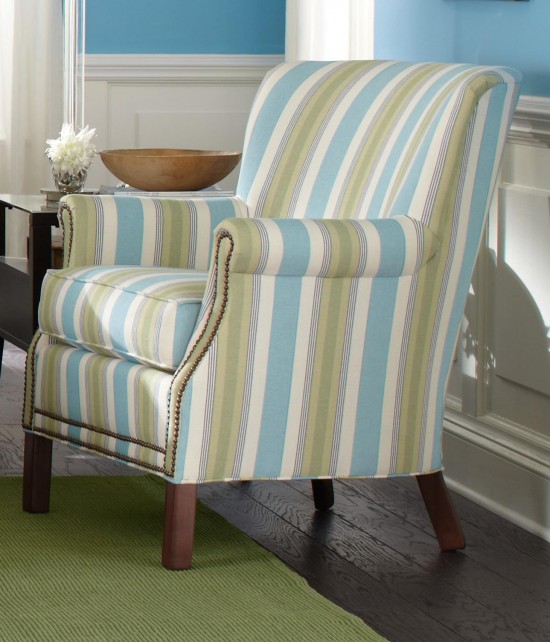
Craftmaster Striped Chair

Craftmaster Striped Chair

Tip: A splash of colour in a nautical decor scheme – perhaps red or sunny yellow – adds style.

Fabrics. Again, blues, whites and beiges are lovely choices; choose neutral for expensive furniture pieces. To add pattern, gingham and plaid marry well with the nautical look. Stripes are a hallmark of nautical styling and are charming for curtains, table linens, bed linens, upholstery and cushions. In fact, cushions are a great way to incorporate fun touches – shop around for anchor and knot motifs.

Tip: Linen is a beautiful fabric that fits well with the nautical theme. Reserve it for items that will not get a lot of wear as it is prone to stretching over time.

Furniture. Really, any style of furniture pairs well with the nautical look – it depends on your overall decor. Dark, traditional woods are gorgeous against blue and white, particularly with navy. Wicker and rattan lend a cozy, cottage feel. Distressed wood pieces or vintage-styled pieces suit this theme to a tee, again, for an informal setting. White furniture in any style also works – it’s so light and crisp. Finally, consider adding antique accents to your mix; perhaps a trunk or chest.
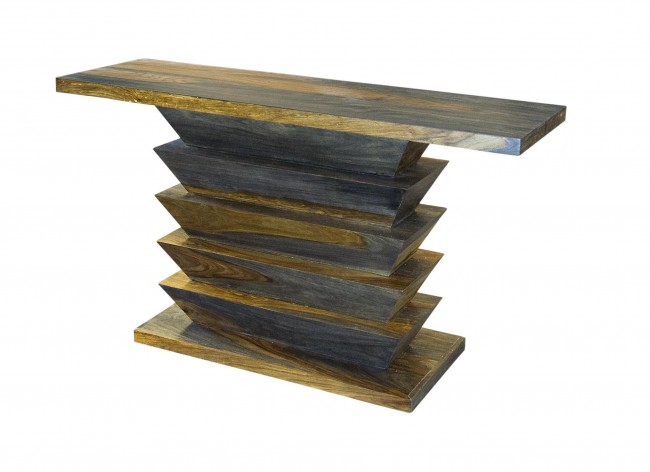
Coast to Coast Accent Table

Coast to Coast Accent Table

Accessories. Less is more. On your walls, opt for simple nature/ocean scenes or even maps Driftwood, shells, beach rocks and corals make excellent display pieces. Try your hand at incorporating rugged rope as an accent trim around lamp bases, vases, etc. The sound of a babbling brook is the ultimate nautical accessory. Find a beautiful fountain for your home; lots of options are available in a variety of sizes.

Tip: Blue and white china, old or new, in mix and match patterns, is perfect – on display or for everyday use.
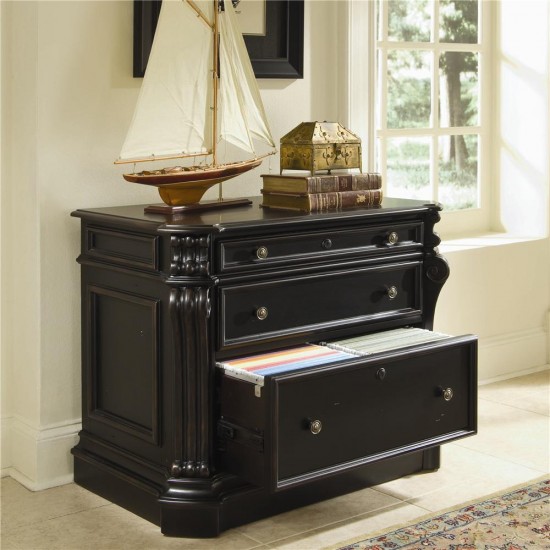
Hooker Filing Cabinet

Hooker Filing Cabinet

Natural Elements. Remember, it’s all about bringing nature inside. Stick with natural items when you can – for example – woven window shades, jute/sea grass rugs, cotton slip covers and nubby silk draperies.
Choosing Quality Furniture: What to Look for, What to Avoid

July 31, 2014 by Stoney Creek Furniture

Before discussing how to buy quality furniture, let’s think for a minute about why. For me, there are 3 reasons to choose quality: durability, comfort and last but not least, happiness. No secret that well made furniture will last longer and be more comfortable, but beyond that, there is a wonderful ‘feel good’ that comes with quality. It’s being able to display it with pride, to make it part of your lifestyle and to have the satisfaction that you made a smart decision.

Katharine Hepburn, known for her good taste and elegance, says it well in this interview from quite a few years back.

But in a world of imitations, how can you be sure you’re investing in quality? Here are some guiding principles:

Wood. Wood furniture comes in solid wood, veneers or particleboard/composite, with solid wood being the highest quality. Veneer pieces can also be of excellent quality if the base underneath is solid. Particleboard or composite wood is a short term purchase only. For durability, the best woods are cherry, maple, walnut and mahogany. Run your hands along the surface of the finish on any piece – it should be smooth.

Joints. Avoid nails or staples or anything with visible glue. Dowels and screws are the way to go. Dovetail, mortise and tenon are the best joints.

Drawers and Doors. The best test is to open and close to make sure the flow is effortless. Drawers should run smoothly on glides and have stops. Quality drawers have bottoms that are not affixed to the sides but float in a groove. Look for dust panels between drawers to improve structure.

Upholstery. Check for aligned patterns and straight seams; there should be no puckering or looseness. Sofa skirts with a lining or weights are preferred. Make sure there is plenty of padding on the arms and back.

Cushions. Look for firm foam wrapped in padding and a protective inner cover. Removable cushion covers are a plus for keeping the sofa clean longer. Reversible cushions are great because you get twice the wear!

Colour. Of course, you should choose a colour that you love, but the practical choice is to pick a neutral when you buy a sofa that you intend to keep for a long time. Save the bright colours and trendy prints for accent chairs.

Sofa Springs. The basic guideline is to be sure the sofa has bounce. Coil, cone, sinuous or grid springs can all work well; test by sitting in various spots to see whether you tip or sink. Springs should never be more than a few inches apart. If the cushions are removable, lift and press down on the deck underneath; you should feel even spacing and resistance to pressure.

Chairs. Check for solid wood backs and legs; many fine pieces will also have a metal cross bar for extra seat support.

My best advice when buying quality furniture? Know your style! If you intend to keep a piece a long time, don’t be wooed by trends. Go with what’s true to you!

How Natural Light Affects Colour – and Your Home Decor Choices

July 24, 2014 by Stoney Creek Furniture

Jane by Jane Lockhart

You’ve decided to paint – maybe just one room or perhaps your whole house. Choosing colours is fun, but not always easy. We’ve all had the experience of selecting a colour at the store only to find it looks TOTALLY different on the walls at home. How can you prevent this? Turns out, it’s all about light. Once you know more about the natural light in your home, you can get the effect you want without trial and error. Let me explain…

Southern Exposure. If the room you’re painting has a southern exposure, the effect is warming. So you can expect a yellow influence on colours. That means that whether you choose a warm or cool paint colour, the colour will look brighter, more vibrant and more ‘sunshiny’ on your walls. One advantage is that southern exposure is the same throughout the day; the warming effect will be consistent throughout daylight hours. Choose mid-range colours that can handle the brightening effect. Avoid anything that is already dynamic.

Northern Exposure. As you might expect, the effect on paint in rooms with a northern exposure is cooling – and as with southern exposures, it is consistent all day. There will be a blue hue cast on everything. This works beautifully if your palette is blue-toned – i.e. blue, purple, deep red, green. If you’re thinking gray or pastels though, the colour will look drab and dull. Opt for warm or cool colours in the blue or extended blue family. Go a little brighter and richer.

Eastern Exposure. With an eastern exposure, the lighting effect changes throughout the day. In the morning when the sun rises, you will get warm but low, yellow light. As the day progresses it will cool off again, casting blue light. Keep in mind what time of day you’re typically in the room when choosing colours and stay away from extremes – no pale colours or bright brights.

Western Exposure. In the morning you will get cool, blue light and later, yellow-toned light. But unlike pure morning yellow, the setting sun creates ‘hotter’ orange hues. Again, think about when you most use the room, but definitely avoid brights as the orange glow will make them too dazzling.

Beyond Paint. The natural light in your room also affects the impact of other elements like fabrics and furniture. For example, if your room has a northern exposure, metal furniture may look especially ‘cold’; warm woods may be more appealing. If you have a southern exposure, perhaps choose light woods rather than dark to keep the space open. The same is true of draperies and upholstery. A southern or western exposed room may look lovely with sheer cotton panels and a pastel-hued sofa, but an eastern or northern exposure needs more richness, depth and colour to make it cozy.

Artificial Lighting. Of course, you can affect colour perception with your lighting choices. Incandescent and halogen lights convey reds, oranges and yellows while fluorescent bulbs and energy efficient bulbs tend to cast cool blue light. Even with artificial lighting, it’s always best to base your choices on natural light as that’s your primary source of light, unless the room is used most often in the evenings.

Enjoy the beauty colour brings to your home! Follow the guidelines above and always paint a small area before you commit to a whole room. Observe the colour throughout the day to see how it may change. Many stores sell small sample cans to make it easy and affordable to try before you buy.

Mid-Century Modern Decor: How to Make it Your Style!

July 15, 2014 by Stoney Creek Furniture

My favourite era is the 1950s and 60s – TV shows, fashion, movies. Who can resist the glamour and style of that time? It was post war and the mood was optimistic. In every facet of life there was the desire to strip away the old and emerge reinvented. Home decor was no exception. The style was fresh, simple and uncluttered, yet simultaneously bold and forthright. Design took centre stage over adornment, with clean, minimal looks that were unfussy and undemanding. Today we refer to this style as Mid-Century Modern; officially dating from the mid 1940s to 1970. Mid-Century Modern has a wonderful attitude about it. No hiding behind stuff – just open, easy living that welcomes sun, fun and functionality.

Modern Artisan Sofa

Modern Artisan Sofa

Hallmarks of Mid-Century Modern

Space. There is a tremendous respect for space and blank areas within this style. Don’t feel the need to fill every corner. Keep floors largely bare, leave lots of walking room around furniture.

Bold Colours & Graphics. The word ‘subtle’ really has no place in Mid-Century Modern. Bold, splashy graphics are a staple. Wallpaper, upholstery, drapery, rugs – think saturated colours with geometric prints and blocks of colour. Neutrals are also popular, typically in warm colours to blend with wood furniture – and then add pops of bright colour. Think vivid rather than muted.

Indoors/Outdoors. Patios and sliding doors were new concepts for most families in the 1950s. Homes suddenly focused on blended living – moving comfortably from inside to outside for entertaining, playing and dining. Mid-Century Modern embraces nature with open arms. Windows and doors are big; patios are spacious. Your backyard should feel like an extension of your living room.

Tip: Keep your windows totally uncovered to embrace this style – or choose the sheerest, lightest curtain. Even add skylights. Glass is paramount.

Furniture. Few decor styles make a furniture statement as strong as Mid-Century Modern. If you choose vintage pieces, expect to pay dearly as they are extremely collectible. But there are beautiful reproductions, as well as new designs that nod to the era with timely edginess. Either way, let pure, sleek and simple be your guide.

Multi-Level Living. Today our homes are all about open concepts – but I miss the days when there were private spaces to chat, read or relax. If you are able, attempt to give your home multi-levels or at least a nook or two.

Tip: This was the time of conversation pits – create your own version with just a couple of gorgeous womb accent chairs and a streamlined coffee table.

Art & Accessories. Mid-Century Modern offers incredible art and accessory opportunities – from Warhol print reproductions, to sunburst wall clocks, to Sputnik chandeliers. Whether you choose the real thing or a newer version, always keep the look dramatic, clean and simple.