Understanding Fabric and Choosing Upholstery Wisely

April 23, 2014 by Stoney Creek Furniture

Diana Sisto, Creative Director at Brentwood Classics, a leading furniture manufacturer, shared these insights at Stoney Creek Furniture’s recent Inside Out Home Show…swatches
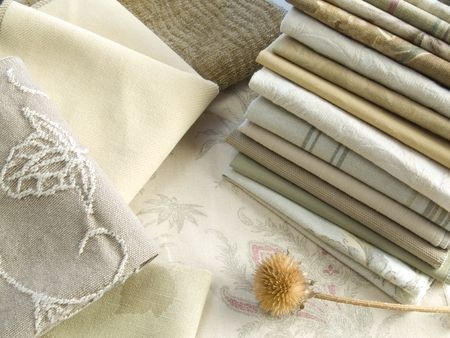
The ABC’s of Upholstery Fabric

What’s the difference between natural and manufactured fabrics? Which is better? Natural fabrics include cotton, flax, wool, mohair, hemp, linen and silk. Manufactured fabrics include polyester, acrylic, viscose, rayon and olefin. What should you choose for sofa upholstery? Natural fabrics are luxurious and beautiful, but may not always wear well, especially if your sofa is in a high traffic room. Manufactured fabrics don’t always have the ‘touchability’ or ‘breathability’ of natural, but are often less costly and more durable. For most homes, a blend is best – cotton/polyester, wool/acrylic, etc. For a special accent chair, consider the extravagance of natural.

How is a fabric woven? Weaving actually creates the fabric by interlacing two or more sets of yarns at right angles so that they are lying parallel and perpendicular to the fabric edge (selvage). Warp yarns are laid down first, parallel to the selvage. Weft yarns are then laid in across, filling in the fabric.

What are railroaded and non-railroaded patterns? Why is it important? Railroaded patterns run perpendicular to the selvage or ‘weftwise’. Non-railroaded patterns run parallel or ‘warpwise’ to the selvage or a fabric. It’s important to know because non-railroaded patterns are confined to 54’ in width. Therefore any furniture piece like a bench seat or drapery that is wider than 54’ cannot use non-railroaded patterns without adding a seam. HINT: Most striped fabrics are non-railroaded.

What about fabric strength? Fabric strength – i.e. how well the fibres stay intact – is determined by how well it withstands rubbing wear or abrasion and tearing. The Wyzenbeek and Martindale tests are commonly used to predict wearability.

Wyzenbeek Test – Fabric is rubbed back and forth until noticeable wear is observed

Martindale Test – Fabric samples are rubbed in a figure eight like motion (oscillating), until noticeable wear is observed

What test results are appropriate for home furniture?
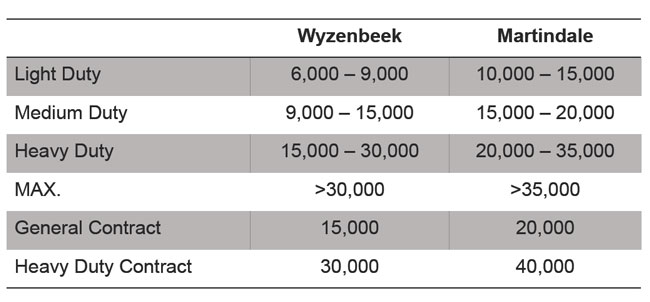
Image courtesy of Diana Sisto.

Image courtesy of Diana Sisto.

Note that Wyzenbeek ratings are always lower than Martindale ratings.

Of course, always keep in mind that actual fabric performance is determined by many factors such as fibre content, weaves, finishes, furniture design, maintenance, cleaning and usage.

Now that you’re armed with some fabric basics, you’ll have an advantage when buying upholstered furniture. Shop smart!
Design Trends: How do we determine what’s hot and what’s not?

April 17, 2014 by Stoney Creek Furniture

How does the gorgeous new sofa you’re admiring in the furniture store get there? What determines what it looks like, what fabric it’s upholstered in and how quickly it will get bought? Diana Sisto, Creative Director at Brentwood Classics, spoke recently at Stoney Creek Furniture’s Inside Out Home Show about the design process and how design trends are developed. Here are the highlights:

Image courtesy of Diana Sisto of Brentwood Classics.

Image courtesy of Diana Sisto of Brentwood Classics.

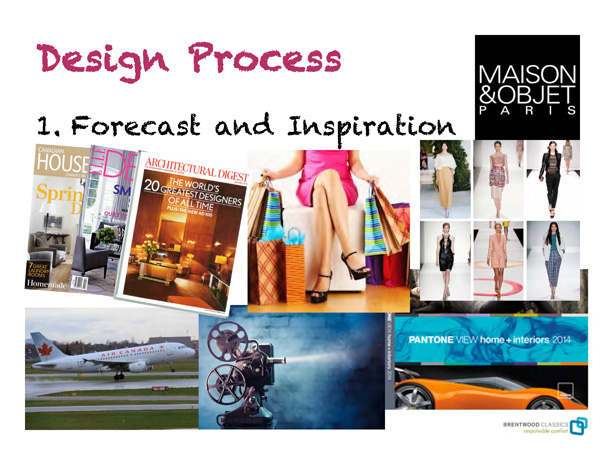
STEP 1: Forecast & Inspiration. Fresh ideas come from multiple sources. Furniture design specialists look to emerging trends throughout popular culture – in fashion, movies, TV shows and car design, for example. You’ll see certain colours, influences, patterns and styles echoed in all the creative arts.

What makes a design trend noteworthy? There are 5 things that determine its success:

  • Relative Advantage – Is the innovation an improvement over existing items in the same product class?
  • Compatibility – How well will the innovation harmonize with the values/tastes of potential users?
  • Complexity – Is the new item easy to use and understand?
  • Trialability – How easy is it to try/test before buying?
  • Observability – How visible is the innovation? How much is it seen?

What exactly is an innovation? In home design, it can be either one or a combination of these factors:

  • New Fibre – like viscose or rayon
  • New Finish – like glazing or distressing
  • New/Unusual Colours – like fuchsia for an occasional chair, geometric prints for accessories, etc.
  • Modification of Silhouette/Detail – new shapes for sofas, chairs, furniture legs, etc.
  • New Application for Trims – new ways to add embellishment – edging, tassels, bordering, etc.

How quickly will you adopt an innovation?

A big part of it is simply your personality! Are you adventurous? Or are you more conservative? Or perhaps you are slow to change? – preferring that something is proven before you sign up. Connected to that, there are 3 risks to evaluate:

  • Economic Risk – the risk of performance problems or that the price will fall after you buy it or that if you choose this piece, you have to forego others
  • Enjoyment Risk – the risk of not liking your new purchase as much as expected or getting tired of it quickly
  • Social Risk – the risk that your friends and family won’t like it
Image courtesy of Diana Sisto of Brentwood Classics.

Image courtesy of Diana Sisto of Brentwood Classics.

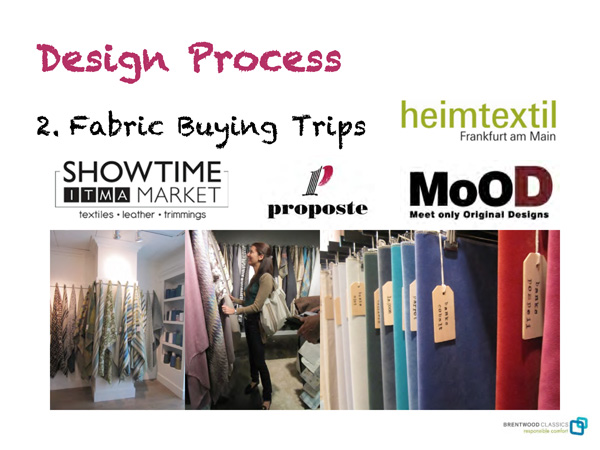
STEP 2: Buying Trips. Before new home items can be designed and built, the raw materials must be sourced. For buyers this means travelling and searching for the perfect fabrics, materials, etc. to bring their visions to life!

Image courtesy of Diana Sisto of Brentwood Classics.

Image courtesy of Diana Sisto of Brentwood Classics.

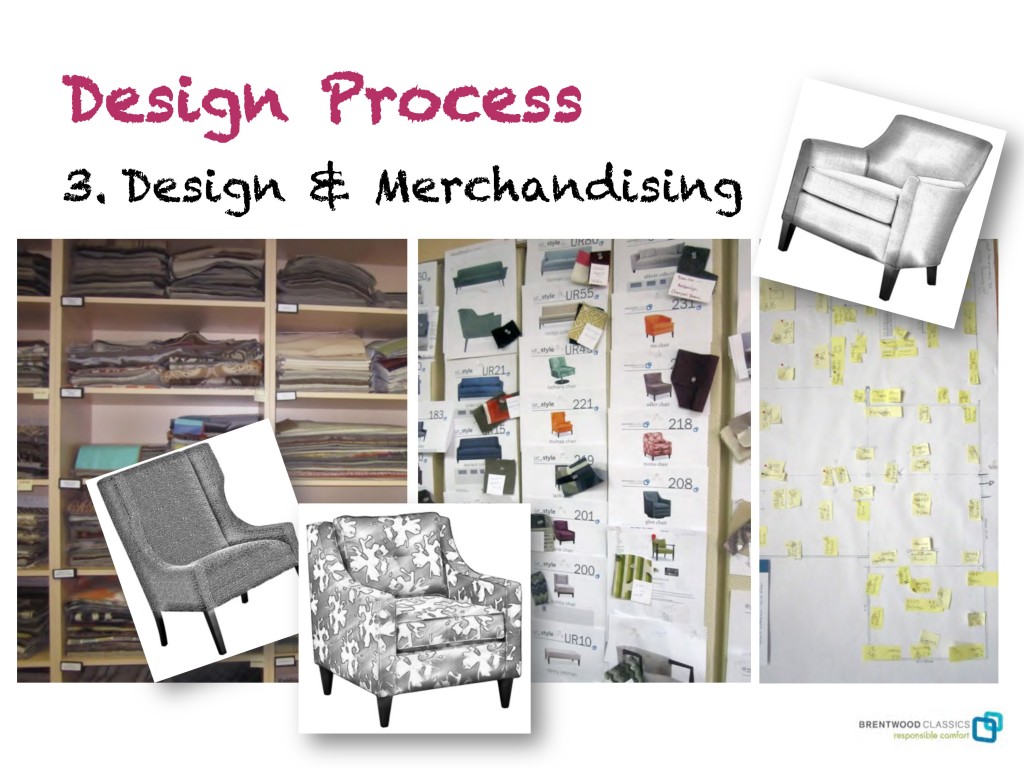
STEP 3: Design & Merchandising. The actual design process is next. Experts develop the innovations and all the merchandising plans necessary to support and launch the new designs.

Image courtesy of Diana Sisto of Brentwood Classics.

Image courtesy of Diana Sisto of Brentwood Classics.

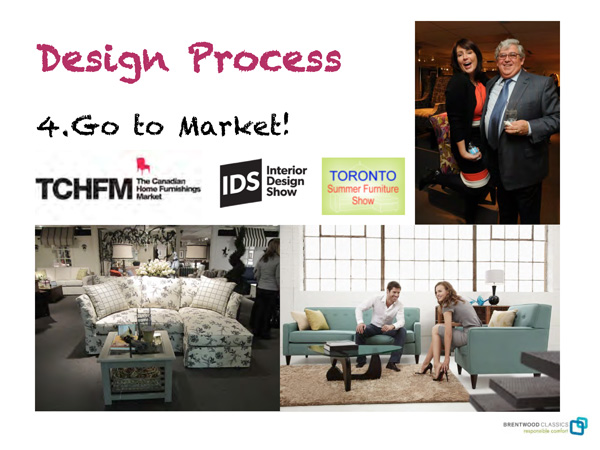
STEP 4: Go to Market! This is it! Trade design shows, launches, promotions. New items are featured with the hope of being chosen by your favourite furniture store.

Of course, there’s also Step 5 – you see the sofa of your dreams and must have it – enjoy!

Bohemian Style Decor

April 4, 2014 by Stoney Creek Furniture

Forget macramé wall hangings from the 1970s – Bohemian is back, but today it’s glamorous and chic! BoHo has the spirit of a vagabond, the palette of an artist and the worldliness of a seasoned traveler. It’s joyous and lively; yet there’s plenty of substance. In fact, Bohemian style decor embraces the green movement and the reuse/recycle philosophy. It makes a home for real plants and honours the work of craftsmen from around the world.Classic Home

Do you want your home to be interesting, relaxed and totally unique? Then bring on Bohemian! Here are some suggestions to inspire you:

Elements. Rule #1 of the Bohemian style is no rules! Unconventionality reigns. Bohemian is an attitude that celebrates transition. You don’t need a lot of structure. Anchor your rooms in gorgeous textiles – tapestries, rugs, pillows, throws and carpet. Keep it uncluttered by using a neutral foundation on the walls; something warm and exotic. Most importantly, don’t shy away from colour!

Colours. Earthy colours like rust, orange, brown and gold abound. Vivid, saturated jewel colours fit beautifully too. Royal purple, cobalt blue and robust reds are trademark shades, often found in the abundance of accessories and fabrics. You may feel you are using colours and patterns that don’t “go together”, but don’t worry. If the effect is pleasing, go for it!

However… If you want the BoHo look, but need to tone it down for your modern sensibilities, seek a common colour to unify your fabrics. Or use warm beige white on your walls. Or add in objects and materials in one solid colour to keep the pattern from becoming overwhelming. But no crisp white; it simply doesn’t fit.Classic Home

Be Natural. Materials like sisal, jute, bamboo and burlap work well in a Bohemian space. So do natural silks and soft cottons. Think lots of contrast and mix and match your heart out! Nothing should look “new”, but rather, gently lived in. And don’t be afraid to extend your Bohemian look to your patio. The opulent colours look spectacular outside too! Likewise, bring plants in. Colourful flowers and greenery are life affirming and suit BoHo thinking perfectly.

Furniture. Don’t fret about matching pieces! It’s more important that the furniture have character. Each piece should look “acquired” rather than “bought”. Victorian works well, but substantial and dramatic, not dainty and fussy. Antique also works – seek out the unexpected. If you buy new, choose one of kind items that are special to you. Blend old and new, using rugs and fabrics to unify. Throw a small rug on a dresser! Dark wood suits best, as do painted pieces. 

Accessories. This is the soul of Bohemian! Beyond the myriad fabrics, display your collections, bric-a- brac and treasures. Ethic pieces and pieces from other cultures work well as do coloured glass, china, trinket boxes, gold mirrors, etc. The lampshades are luxurious and have fringes, as do your multi-coloured throws and cushions. The windows are covered in dupioni silk. A crystal chandelier hangs above it all. It’s wonderfully eclectic and charming!

Have you ever wanted to travel the globe and enjoy a carefree existence? Embrace your inner gypsy with Bohemian style… life is good!

Trunks and Chests: More than Just Storage!

March 26, 2014 by Stoney Creek Furniture

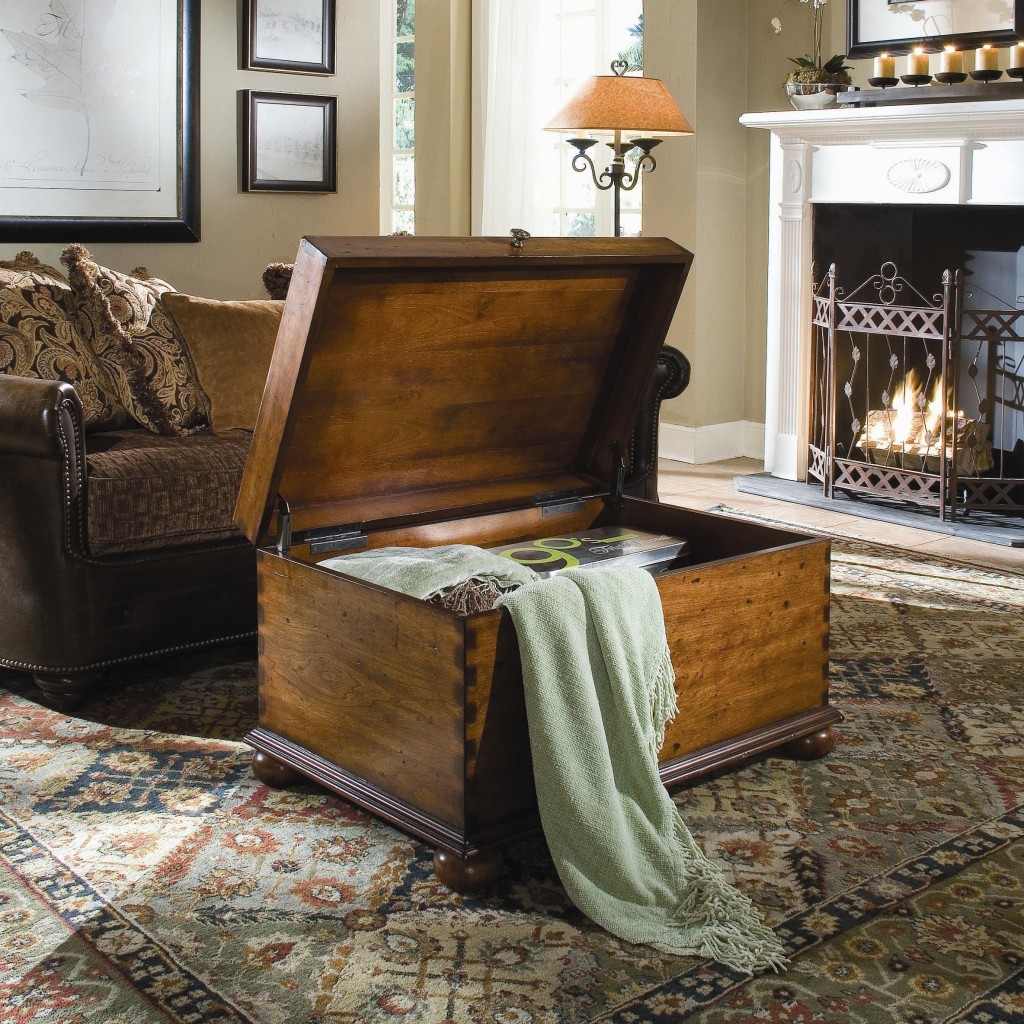
Seven Seas by HookerThere’s something a little mystical about trunks. Maybe it’s because they can have secrets locked away inside, or maybe it’s because they were once used as luggage to travel to distant and exotic lands. Whatever the case, trunks are both attractive and practical – doing double duty as a beautiful piece of furniture and as storage.

Materials. Trunks come in a variety of shapes, sizes and materials. What suits your space? What do you like? New or vintage? Polished or rugged? Wood, metal or wicker? Rectangle or cube? Tall or low? You’ll be astonished at the selection when you start looking. But first, consider the possibilities…

Here are just a few ways you can add the charm of a trunk to your home:

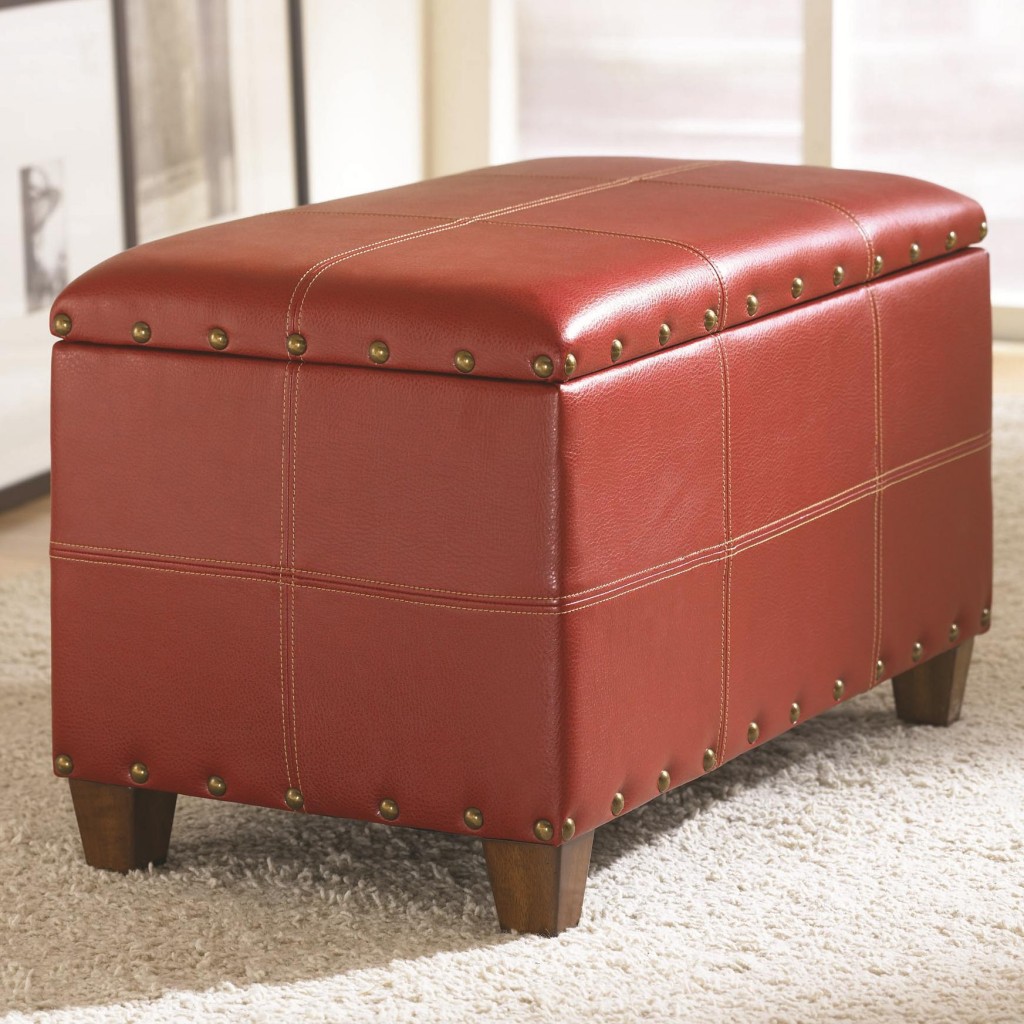
Hammary Hidden TreasuresCoffee Table. A trunk, old or new, makes a perfect coffee table. It adds character to a room. Make it a focal point by creating contrast with a vintage trunk in a modern space – or a contemporary red leather padded trunk in a traditional setting. And you can keep books, games, a throw blanket and much more inside!

Hall Table or Bench. A taller trunk makes a tremendous style statement as a console in your entranceway. Add a bouquet of flowers and a lamp. A trunk can also make a great bench seat in the foyer for putting on shoes and storing hats, gloves, even outdoor toys and a watering can for your flowers.

Bedside or End Table. A smaller trunk (cubed is ideal) makes a stylish end table in the bedroom or living room. Mix and match on either side but look for uniformity in height. A flatter trunk may be turned on its side to give you the extra height you need.

Hope and Dreams. Do you remember when young girls had hope chests filled with their dreams for the future? Maybe you can re-start this trend with your daughter with a gorgeous trunk for her bedroom. Or add a trunk to the foot of your own bed for storage and sitting. You can buy trunks with seating built in.

Repurpose. A large trunk turned on its side can make an amazing cocktail cabinet. Add shelves and voila!  Or keep the trunk flat and simply add glasses, beverages and accessories to the top for a charming bar cart.

Make it Pretty. Display faux flowers flowing out from one side of your trunk – simply trap them in the opening and close it tight.

Reconfigure. Sometimes you need to literally think outside the “box” to make a trunk work in your space. Consider these ideas:

Stack 2 (or more!) smaller trunks to make a taller, visually interesting table.

Add feet to a trunk that you’re using as a coffee table to add foot space.

Personalize. Trunks inspire creativity, especially an older trunk looking for a second chance. Why not paint, refinish or distress it for an old world look? Maybe even consider wallpapering. Or perhaps add travel stickers to an old steamer trunk. Customize it to your style!