Bar Stools: How to Choose and Enjoy these Fun Seats!

February 7, 2014 by Stoney Creek Furniture

This year I’ve renovated my basement and added a bar. It’s just a few stools and a small serving area, but it seems that the best conversations happen there. The same is true in my breakfast area. I read that the reason is that you don’t sit “down” on a bar stool, you sit “up”. Something about that position makes people more talkative and encourages conversation. Whether it’s for your rec room, kitchen or a relaxed dining area, bar stools add a lot of energy!  Camden How to Choose Bar Stools
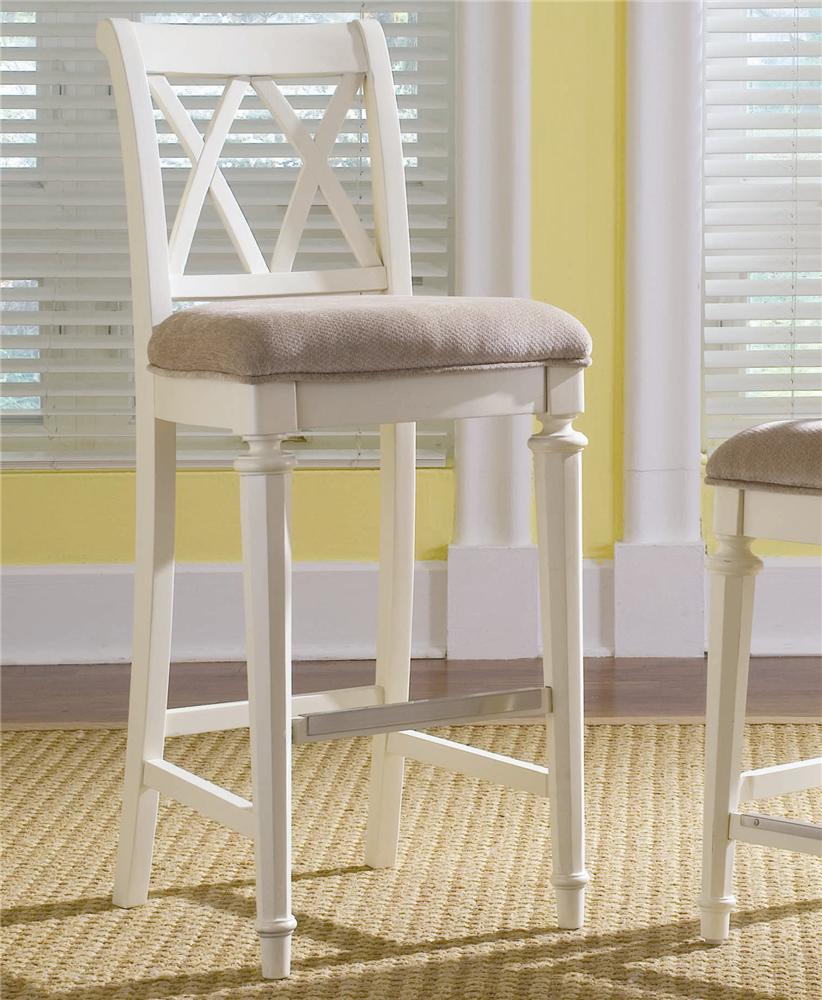
There’s more to selecting bar stools than just how they look. Take into account these considerations:

Height. If the stool is too short, arms won’t rest comfortably on the counter. If it’s too tall, legs won’t fit well under the counter. Measure and be sure – the stool seat should be 10-12 inches less that the height of the counter or table. Some stools are height adjustable – perfect for children.

Space. Stools require more space around them than standard chairs, necessitated by the often narrow counter they are placed near. Allow 28 inches from the center of one stool seat to another.
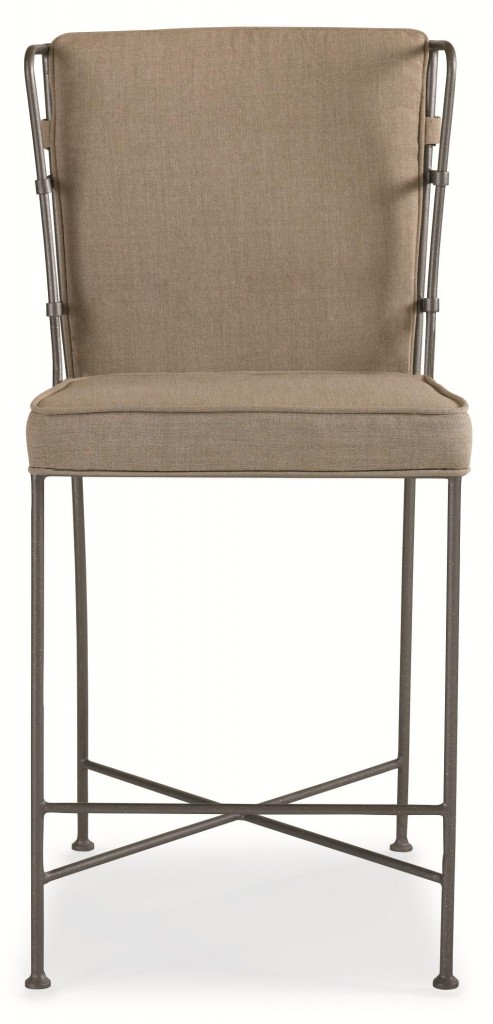
CaracoleUpholstery. Upholstered stools will be more plush and comfortable, but they wear more quickly. Fabric or leather without upholstery may not be quite as cozy, but lasts longer. Keep in mind too, that fabric (with or without upholstery) will stain more easily, especially in a busy kitchen.
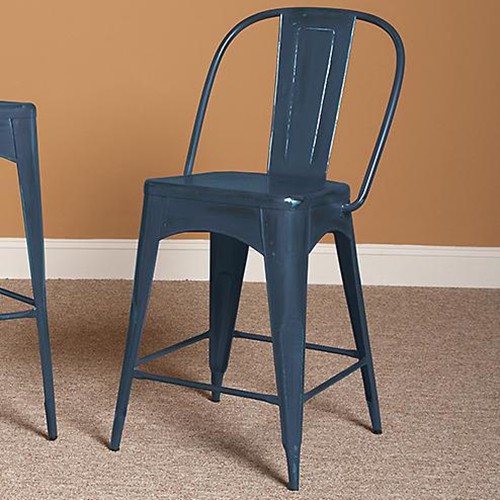
TimbuktuMaterials. Bar stools are usually made of wood or metal (or a combination of the two) but some designs are plastic or acrylic. Wooden bar stools offer a more traditional look. Metal stools are more contemporary. The variety available is astonishing – you really have to start exploring to find what’s best for you.

Design. There are two schools of thought on design – coordinate or contrast. You can blend your stools with the patterns, colours and themes in your room as well as blending shapes – square stools with a rectangular table, for example. Or you can make a statement with bold colour and contrasting shapes to add visual interest. Never underestimate the power of opposites. Dark wood stools in a white kitchen, industrial metal stools in a traditional family room, bright accent cushions on the back of neutral stools in a neutral room…
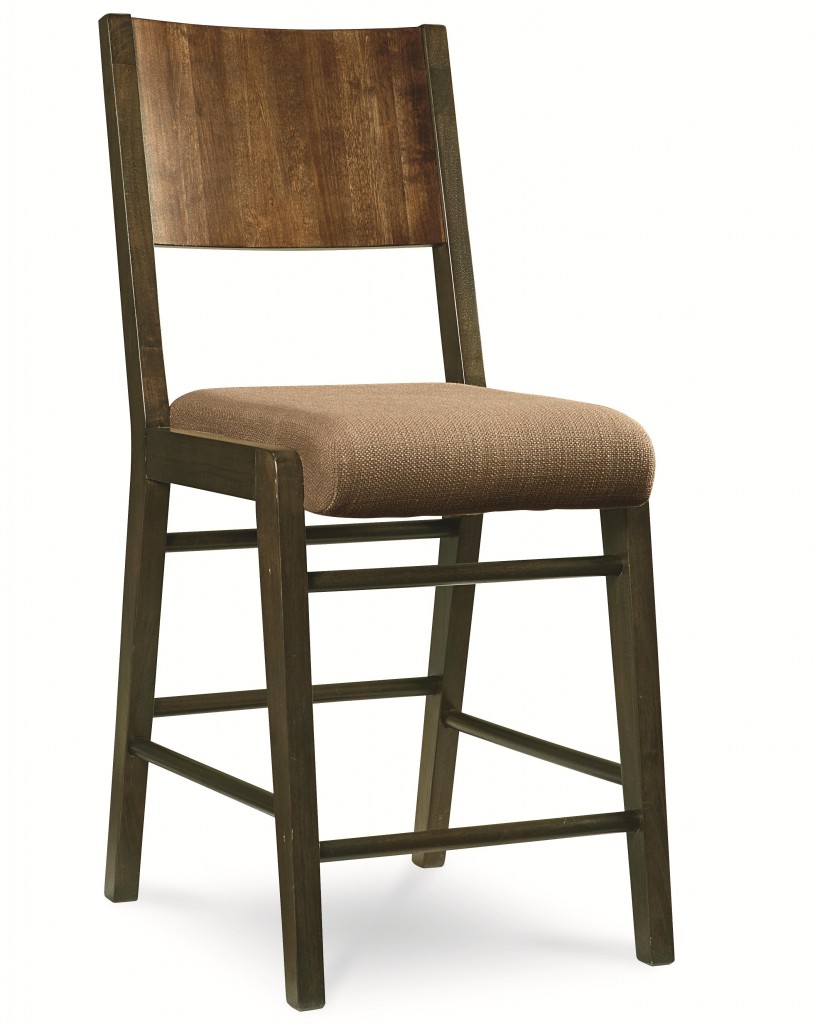
KateriUse. Breakfast bar stools are often used for just a quick bite. Given that, armless, backless stools without swivel may be appropriate. You can also fit more of these types of stools around a centre island if you have a big family. As well, simple stools can be tucked away easily freeing up valuable kitchen space. If, however, your family or friends like to sit and chat, choose stools with backs, arms and/or swivel function. Another important feature is the footrest. Again, if you will be relaxing for a while, a supportive footrest is a must.

Tip! While a kitchen may only need a basic stool, children may be safer and more secure in a stool with arms and a back, or even a “basket” design.

Rooms. Think beyond the kitchen and recreation room! Bar stools make great additional seating – in the bathroom for getting ready in the morning, in the den or office or even in a hallway.

Bar stools add fun and functionality to a space. What a great way to make your home more social and friendly.
Tips for a Fun and Fabulous Recreation Room

January 27, 2014 by Stoney Creek Furniture

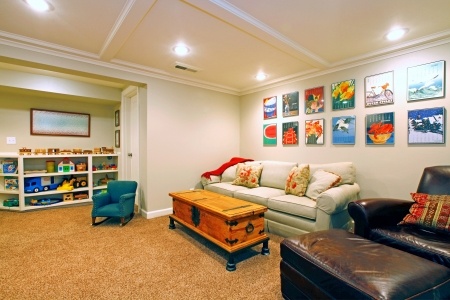
The recreation or “rec” rooms that many of us grew up with were dark and dull, cold cave-like rooms in the basement with plaid sofas and indoor/outdoor carpeting. Nostalgic, yes, but not exactly a welcoming retreat. Thankfully, recreation rooms have come a very long way since then. Today, you can transform that poorly lit, paneled “dungeon” into a cheerful room the whole family will enjoy. Here are a few suggestions:rec room

Lighting. Basements typically are poorly lit due to the small, high windows. In addition, rec rooms are usually used in the evenings, putting even more emphasis on having adequate lighting. Start with some flat halogen spotlights overhead for overall light and ambiance. They should be recessed into the ceiling (as most basement ceilings are a little lower). Put them on a dimmer switch so you can make adjustments. Table and floor lamps can also add mood and focused lighting. Choose classic, durable pieces that will weather lots of use.

Windows. Make the most of those tiny windows near the ceiling by camouflaging their size and height. Longer window coverings will help. Keep them light weight. Use all that space under the windows for storage. Built in cabinets or bookcases would be perfect here. Or depending on your particular arrangement, even your wall-mounted TV or sound system.

Floors. There’s no denying that basement floors are often cold. Invest in quality, thicker insulation under your flooring or carpet. Whatever you choose for the floors, warm up the main seating area with thick rugs that are cozy under your feet.

Walls. Again, light colours are probably best to open up the area, but there’s no reason you can’t have some colour! This year’s sophisticated pastels are a great option or perhaps paint one wall in a richer colour. If you still have panel board and don’t want to renovate with drywall, simply paint over it. Be adventurous and add urethane sheen to every 2nd or 3rd panel. A very nice effect!

Ceilings. Today, there are so many more choices other than plain white industrial-looking tiles. Your ceiling can actually become a décor statement. There are a variety of materials, styles and colours to suit different themes or palettes. What’s best about tiles is that they are easy to install, especially if you have to work around ducts, wiring, pipes, etc. Ceiling tiles/ panels are also great sound absorbers. A light colour is probably best to enhance the height of the area, but bright colours, metallics or wood tiles may be ideal depending on your space.

TIP: Tin ceiling tiles are gorgeous for an old world feeling, coupled with some antique pieces and accessories.

My ComfortFurniture. The rec room is a great place to experiment and show some personality. Consider repurposed painted pieces, antiques or ‘one of a kinds’ that may not be appropriate in your upstairs living room. One of the best investments you can make for your rec room is a really good sofa or sectional. Leather is durable and beautiful. Choose quality and it will last for years.

Accessories. I think bold and bright accessories work well in a basement. Choose large colourful art prints on the walls, lots of big comfy cushions on the sofa, luxurious throws for snuggling and a big ottoman to put your feet up (or a tray down!). The recreation room is not the place for fussy or frilly. It should have style and charm, but substance too.

With the right lighting, light coloured walls and cozy floors, your recreation room can become a wonderful family space.

Industrial Chic: Not Just for Lofts Anymore!

January 20, 2014 by Stoney Creek Furniture
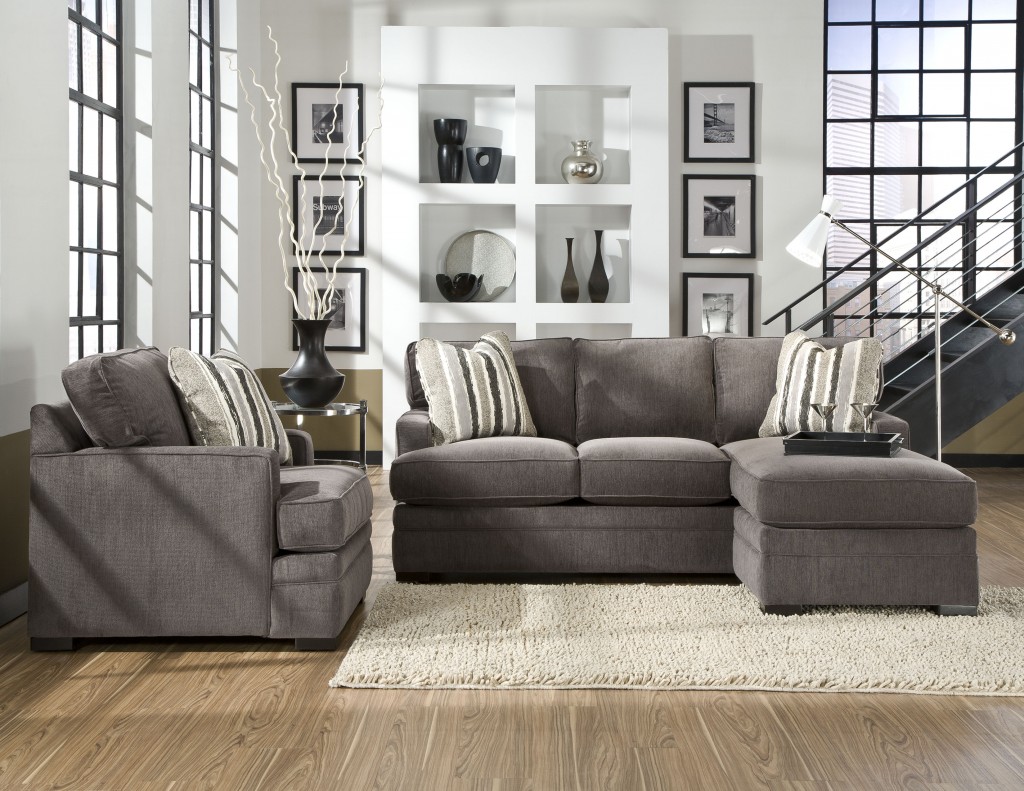
Neptune by Jonathan Louis

Neptune by Jonathan Louis

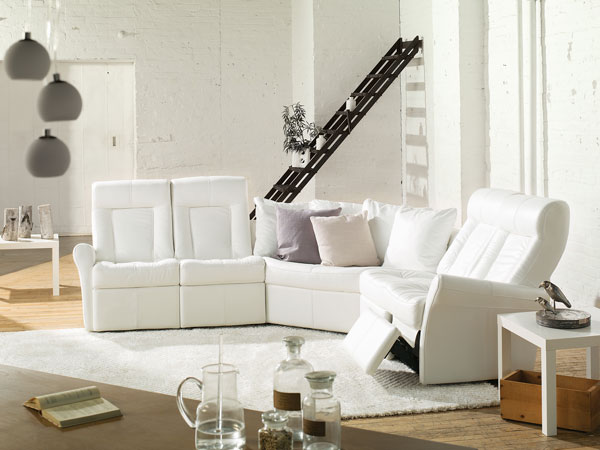
Industrial décor immediately brings to mind gorgeous lofts with exposed brick and 17 foot ceilings. And in truth, that’s the foundation of this sleek look.  But today, industrial chic is making its way into our suburban homes. We’re taking the best of this look and making it work in homes with less dramatic proportions. The industrial look brings simplicity, minimalist thinking and rugged appeal to our traditional homes. So how can you add the industrial look to your space?  Here are a few pointers to help you get started:

Materials. Natural materials are intrinsic to industrial style. Metal is ubiquitous – steel, iron – never shiny, always matte, gray and unpretentious. Glass works well with the metals and wood. It opens up the space and adds a touch of glamour. For diehard industrial lovers, one of the most used materials in the industrial style is cement! Typically kept for accents and accessories, it fits the look perfectly.

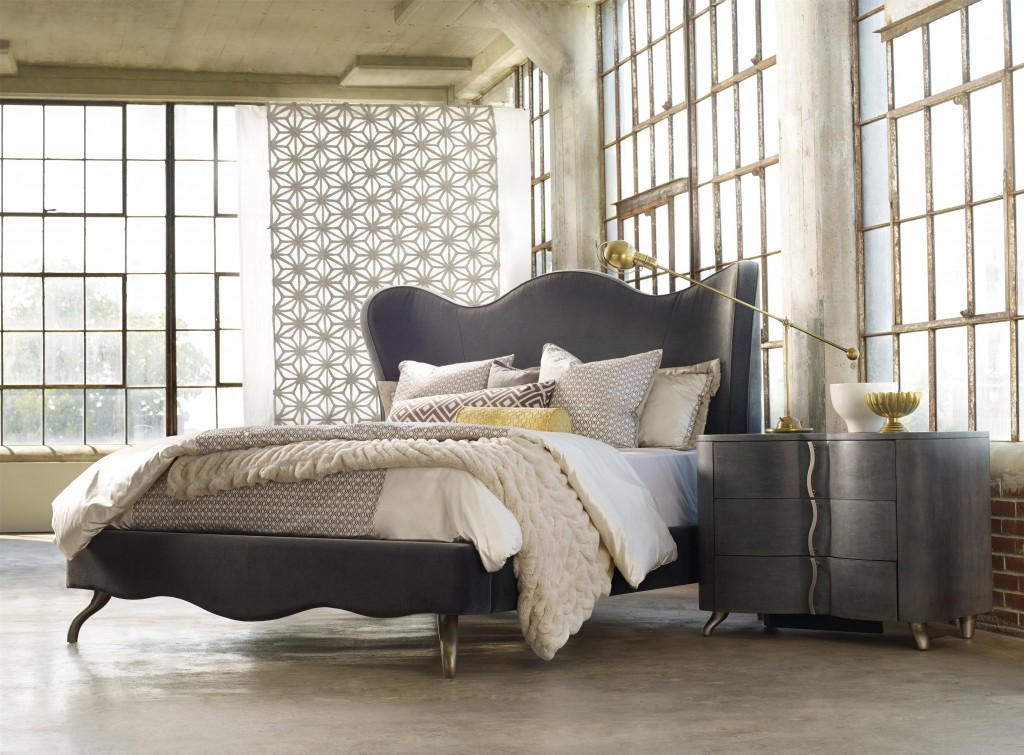
Melange by Hooker Furniture

Melange by Hooker Furniture

Accessories. As I mentioned, cement accessories are very popular. I’ve seen cement candleholders, planters and even cement cabinet hardware. The trick is to keep it in balance. Cement candleholders on a dark wood table are elegant; cement planters with a lush green plant have timeless appeal; cement hardware on traditional cupboards with granite counter tops add textural interest.

Timepieces. The industrial style is characterized by cool clocks! There are many timepieces in this look – add one to your living space. The clocks are typically metal or concrete, often with no numbers; just very simple dials. They make great conversation pieces!

Wall Hangings. Beyond clocks, adding the industrial look to your walls can be fun. Signs work well. If you can find vintage signs or advertising signs, all the better, but modern versions are fine too. Worded messages work well too. Many are done with distressed wood. Again, antique is preferred but there are great new options too.

Lighting. Industrial lighting is the crowning glory of this look. Many who shun the look otherwise, love the utter simplicity of industrial lighting – basic clear class, classic geometrics, white pristine lamp shades, fuss free bases. Look for big and bold with trademark metals and clean glass.

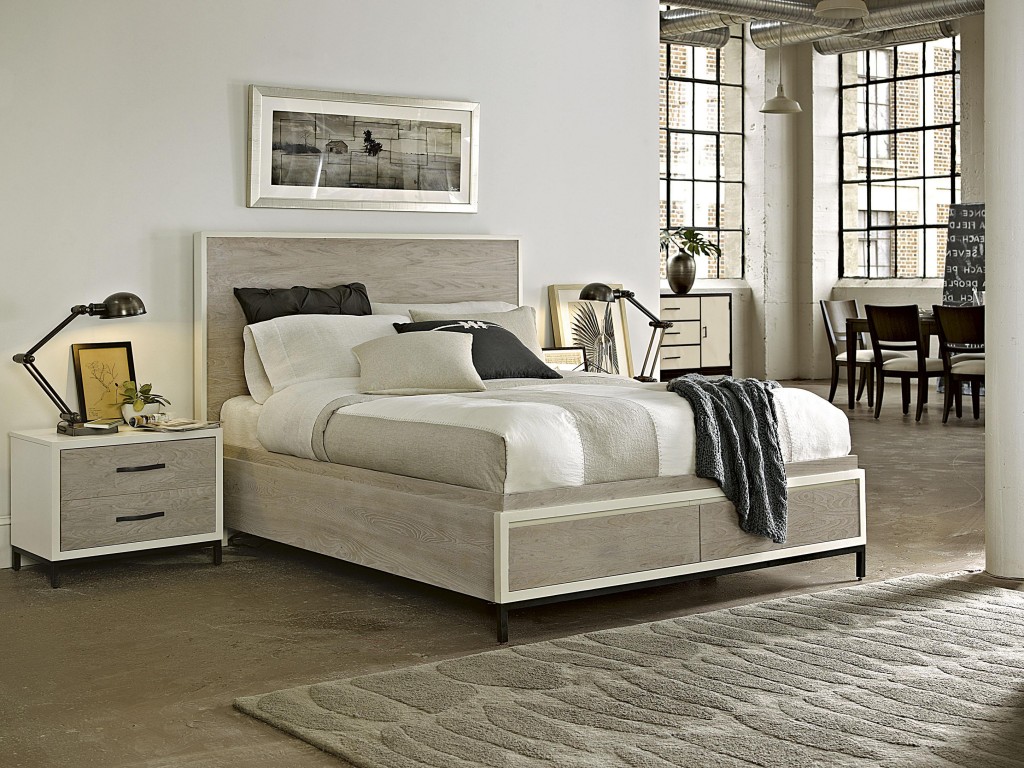
Great Rooms by Universal

Great Rooms by Universal

Colours. Clearly, gray is the colour that dominates industrial décor. Gray, black and white keep the style clean and effortless looking. But that’s not to say it has to be boring! Primary colours look great against black and gray – red, bright blue, royal purple, yellow, emerald green and more.

Furniture. Straight lines rule. Legs are classic and true, often metal. Woods are dark, often distressed. Sofas are leather or suede, also usually distressed. Bookcases and open shelves abound – but they have an “un-factory” look – exposed hardware is common. Furniture must always look easy, natural and worn through life experience.

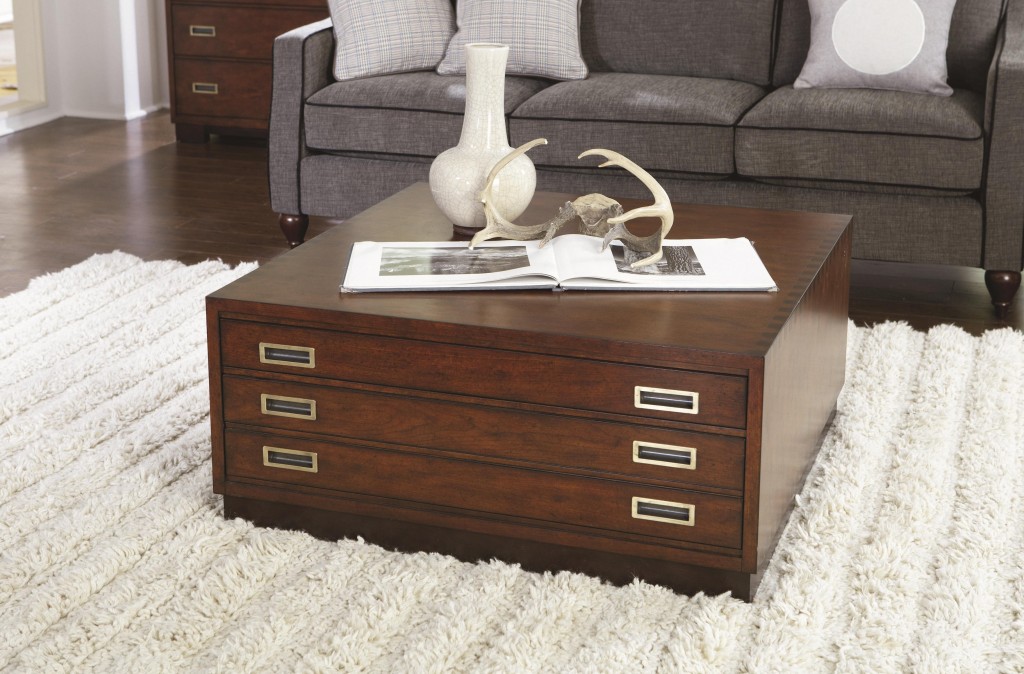
TIP! A large wood coffee table is the hallmark of the industrial look. With or without metal legs, it will set the theme beautifully in your living or family room.

Modern Lodge by Hammary

Modern Lodge by Hammary

Blending. So you have decided to add industrial style to your home style, but how do you make it blend with what you have now? Very carefully!  In a traditional or country home, best to add only touches of industrial, nothing too harsh or imposing. Always look for ways to merge looks. Antique white milk jugs will look stunning on stark bookcase shelves. A huge bouquet of country flowers would be perfect in a cement vase. A largely industrial living room would benefit by an ultra-feminine chaise in fuchsia. 

It takes a creative and judicious eye to blend the industrial look just right – but the results are worth it!  It adds an urban, modern edge to your home that says “chic” like no other style! 

Decor Colours for 2014: Information and Inspiration!

January 7, 2014 by Stoney Creek Furniture

paintNo matter how cold and snowy it is outside, your home can be a wonderful escape from the dreary days of winter. We’re just into 2014 and already I’m anxious to start home decor changes for the New Year. Winter is a great time to renovate, buy new furniture or update the look of your space. With fewer temptations to go outside and play, you’ll have plenty of time to focus on your plans!

We recently introduced you to the Radiant Orchid – the Pantone Color of the Year. If you haven’t incorporated it into your home already, it’s a fantastic starting point for your decor projects. So what’s the buzz in home colours for 2014? Read on …

Pastels
While bright and bold colours still have their place, pastels are making a comeback. Not the sweet candy colours of decades gone by, but classy pastels with a neutral undertone. Think of it like gray or beige with a wash of pink, lavender, blue or green. These soft shades flatter a home, giving it warmth and charm; they are the perfect back-drop to showcase your art, furnishings and accessories. For the more adventurous, go with a lovely lavender for your living room. For the more conservative, try a soft green in your powder room.

Neutrals
The pastels above are so gentle; you can almost consider them the new neutrals. But for those who yearn for the tried and true, browns, taupes and grays are still beautiful choices. To keep them current, add a dash of colour – we call them tinted neutrals – just a smidge of blue, green, pink or purple in the mix makes all the difference.

Washed Palettes
Another trend to watch for is a gentle wash on colours – almost as though they’ve bathed in sunlight. The effect is “dusty” – very soft, gentle and kind to our eyes. As we struggle to bring harmony to our lives, these filtered shades soothe the senses and take the edge off all the technology in our homes.

Natural vs. Artificial: Green and Blue
With environmental issues still at the forefront, green continues to be a major force in home decor. This season’s greens lean toward natural and away from neon – more sophisticated greens are on trend. Limes and sun kissed yellows look wonderful, as well as olive and army greens. Many blues are muted this season – again, softness reigns. You’ll also see rich blues, however, like navy and dark royal blue. Some are calling navy the new black! It’s a gorgeous colour and works perfectly with soft pastels.

Brights
If you love bold colour, true reds like crimson and tomato shades are still hot! But with many of us embracing the gentler look, they may be best as accent colours – a single wall, a side chair or two or a pair of velvet cushions. Purple is still on trend as well, but lean toward Radiant Orchid – the key words are soft, subtle and sophisticated.

With reference to Benjamin Moore, “Colour Trends 2014”. ©Benjamin Moore and Company. All rights reserved.